

When Is the Best Time of Year to Schedule Exterior Painting?
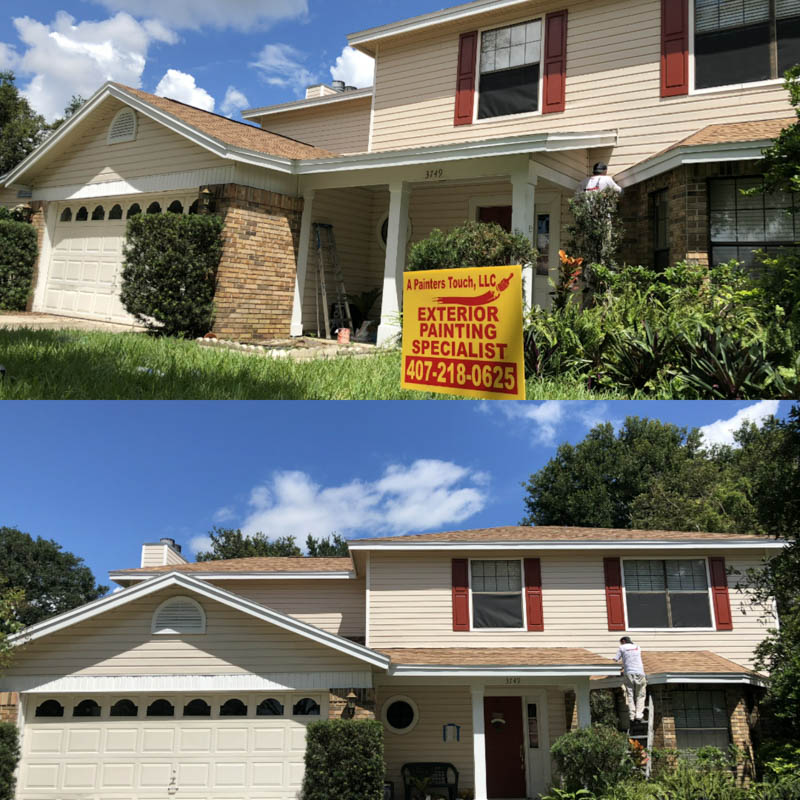 If you want a finish that looks fresh and lasts, timing matters. For most homes, the sweet spot for exterior painting in Orlando, FL is when the weather is steady, humidity is manageable, and rain chances are lower. Here is a clear guide to help you plan your project with confidence, so your home looks sharp in Lake Nona, Winter Park, Dr. Phillips, Windermere, and across Greater Orlando.
Orlando Weather Patterns That Affect Exterior Painting
Central Florida has two main seasons that matter: a long warm rainy season and a shorter mild dry season. Summer brings sticky humidity and frequent afternoon thunderstorms, which can slow down scheduling and curing. Late fall through spring is generally drier with cooler mornings and more predictable days, which helps coatings level out and cure consistently.
Rain, heat, and moisture do more than delay a workday. They also affect how paint bonds to stucco, wood, and fiber cement. When surfaces stay damp or the air is saturated, coatings may not adhere as well, which can shorten the life of the job.
Best Months for Home Exterior Painting in Orlando
Most homeowners see the best results by planning projects between late October and early May. During this stretch, mornings are cooler, humidity trends lower, and afternoon downpours are less common. Many Orlando homeowners choose late fall to refresh curb appeal before the holidays or early spring to get ahead of summer storms.
Summer can still work with careful scheduling. Crews often start early, watch the radar, and choose shaded elevations first. Your project manager can build in weather buffers to keep momentum without risking quality.
Temperature, Humidity, and Cure Times
Paint performance depends on conditions, not just the calendar. Manufacturers specify application ranges for temperature and humidity. As a rule of thumb, aim for stable temperatures, lower humidity, and a dry surface that is free of condensation and morning dew.
- Surface must be fully dry before coating. Dew on stucco or wood can delay the first pass until the sun lifts moisture.
- Steady temperatures support even curing. Big swings from midday heat to evening cool can impact sheen and film formation.
- Shaded elevations may stay damp longer. Crews can reorder elevations to match sun exposure.
Talk with your painting contractor about the specific products for your home’s materials. Premium coatings are designed for Florida’s climate and can handle wider ranges, but timing still matters for a uniform finish.
Scheduling Around Summer Rain and Storms
From June through early fall, afternoon thunderstorms are common. Smart schedules flex with the forecast. Crews can prioritize prep and cut-in work early, then complete open wall areas once clouds pass. When a day looks stormy, your project lead may choose elevations that dry fastest.
In Orlando neighborhoods near lakes or heavy tree cover, mornings can hold more moisture. Patience pays off. Rushing paint onto a damp wall can trap moisture, which may lead to peeling or blistering later. Your contractor should measure moisture content on problem spots and adjust the plan.
How Far Ahead Should You Book an Exterior Paint Contractor?
Demand for residential painting in Orlando ebbs and flows through the year. Dry-season calendars fill up first, especially for whole-home projects and color changes that require extra prep. It is wise to reach out early, share your target window, and allow room for weather flexibility. Your contractor can hold a slot and fine-tune start dates as forecasts firm up.
Neighborhood-by-Neighborhood Considerations
Orlando’s communities each bring unique conditions. In Winter Park, mature shade can keep north and east elevations damp longer. Windermere and Dr. Phillips homes near water may see algae return more quickly on lower walls and soffits. Newer builds in Lake Nona often have smoother stucco that coats efficiently, while older masonry may need extra spot-priming and sealers.
These small variables guide sequencing and product selection. They also influence how many clear, dry hours a day your crew needs to hit quality standards.
Prep Work and Clean Surfaces Improve Results
Clean surfaces and sound substrate are non-negotiable. Mildew, chalking, and old failing paint create a weak base. Professional washing and targeted repairs help coatings bond and last. If your home needs exterior cleaning first, consider scheduling pressure washing several days ahead of your paint start so walls have time to dry fully.
Not sure about color selection? This helpful read from our team walks through balancing shade, style, and sunlight: how to choose the best paint and colors for an exterior painting project. It pairs well with your schedule plan, so you are ready to roll on day one.
What To Expect By Season
- Late Fall to Early Spring: Typically the smoothest window. Cooler mornings, more predictable afternoons, and fewer rain delays support even curing.
- Late Spring: Warming up. Plan earlier starts and watch humidity. Touch-up windows may shorten as afternoons get stickier.
- Summer: Manageable with flexibility. Morning starts are your friend and sequencing matters. Expect occasional weather holds.
- Early Fall: Transition period. As storms ease, calendars get busy. Book early if you want a firm date before the holidays.
Signs Your Home Is Ready for Repaint
You do not have to wait for peeling to appear. Look for these early cues so you can schedule before small problems grow:
- Color looks washed out on sun-facing walls or trim
- Chalking on stucco when you brush a hand lightly across it
- Hairline cracks around window trim or stucco control joints
- Black or green streaks reappearing quickly even after cleaning
- Bare spots where previous paint has lifted
Catching these signs early helps you choose the best season and keeps prep focused on protection, not major repair.
Building Your Timeline
1) Consultation and Scope
Share priorities, color direction, and any HOA guidelines. A detailed scope helps your estimator map the project to the right weather window and crew size.
2) Prep and Drying Window
Schedule surface cleaning, repairs, and priming with enough dry time before coatings. Surfaces that dry fully before paint almost always produce longer-lasting results.
3) Coating and Cure
Quality coatings need consistent conditions to level and cure. Your crew will sequence elevations and watch the forecast so each pass has the time it needs.